Standardize and Scale Operational Training
Hybrid Training digitizes your top operators' knowledge, enabling consistent knowledge transfer across your organization.
Four Common Training Challenges for Manufacturers
Knowledge Lives in People, Not Processes
When experienced workers retire or transfer, critical know-how goes with them. Without a standard, training quality varies by instructor.
No Way to Measure Real Readiness
Course completion doesn't equal operational competence. Managers lack data to assess employees performance.
Training Competes with Production
Limited access to live equipment leads to insufficient hands-on practice. Senior workers can't mentor and produce simultaneously.
Global Training Is Hard to Standardize
Language and cultural differences make consistent global training difficult and slow.
Bring Every Operator to the Same Standard
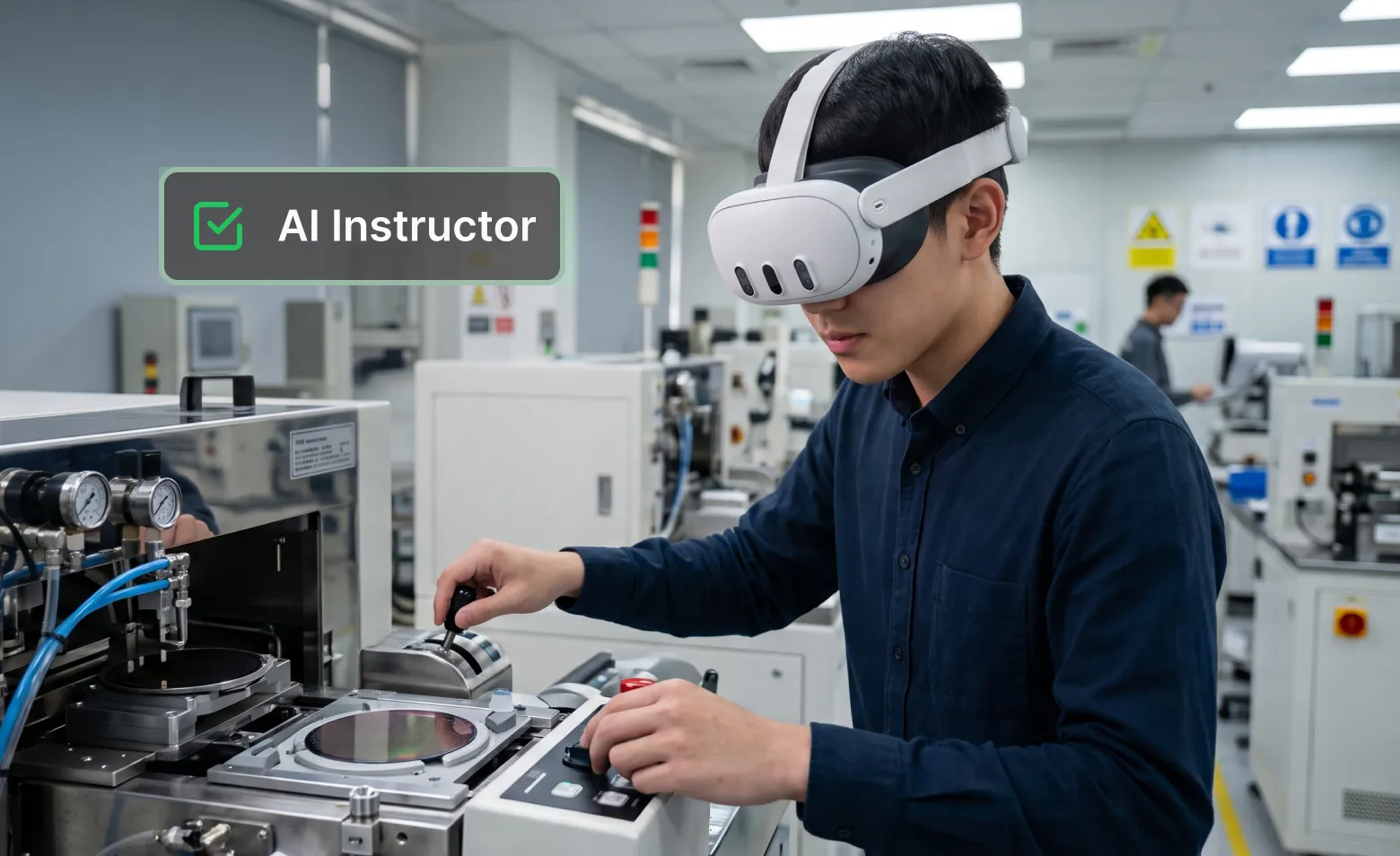
Improve Learning Outcomes
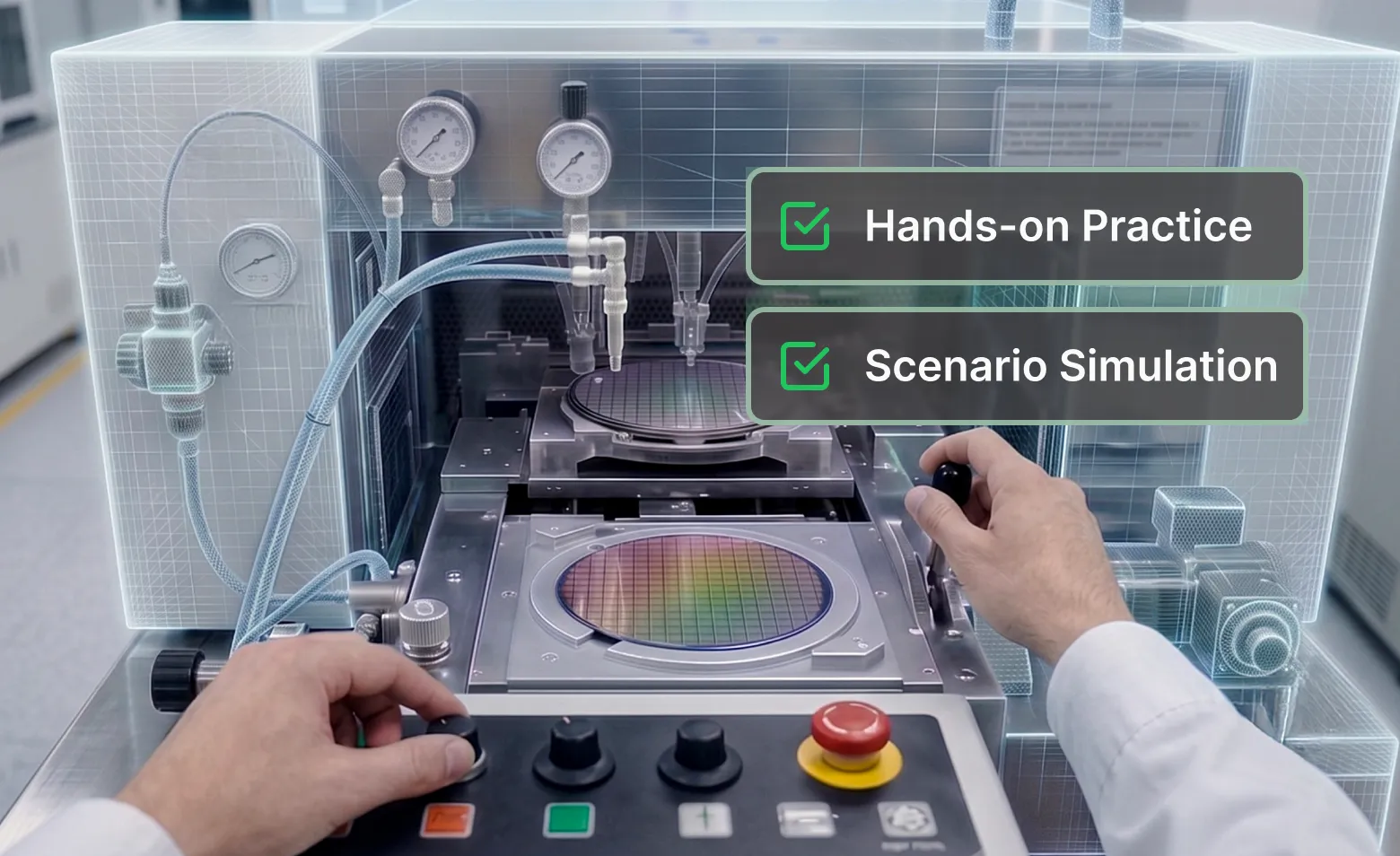
Practice Without Live Equipment
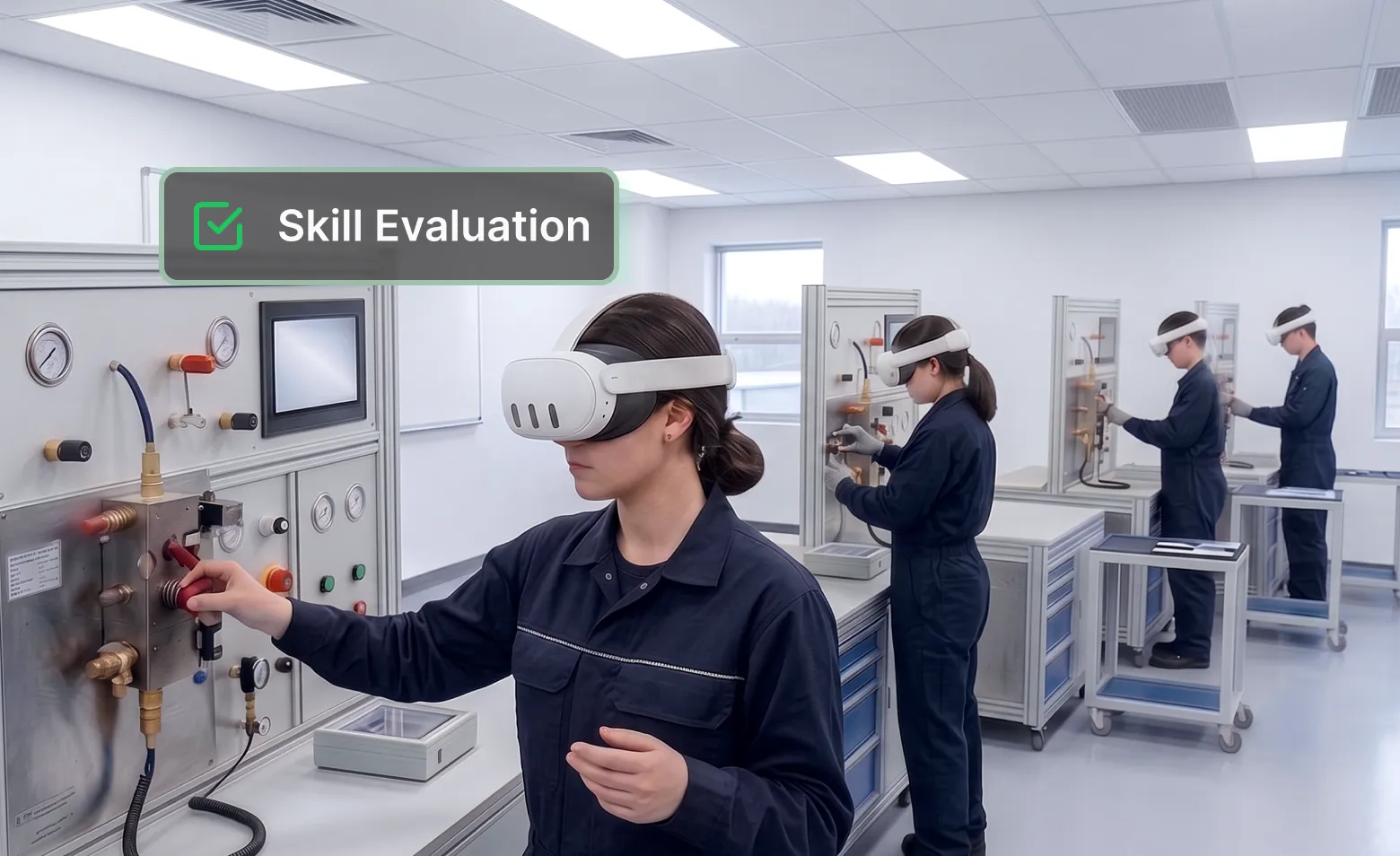
Verify Competency
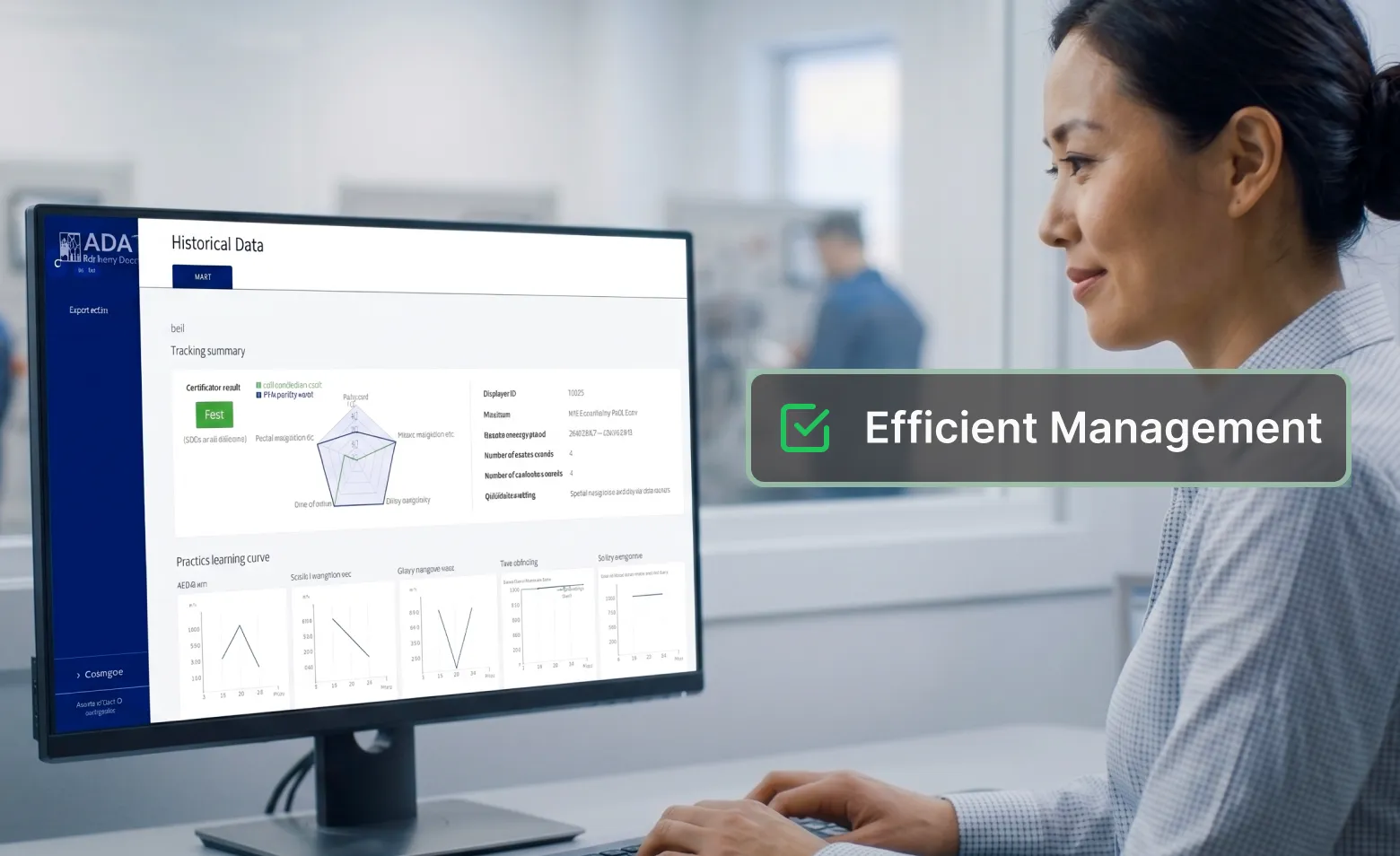
Optimize Workforce Deployment
Measurable Results
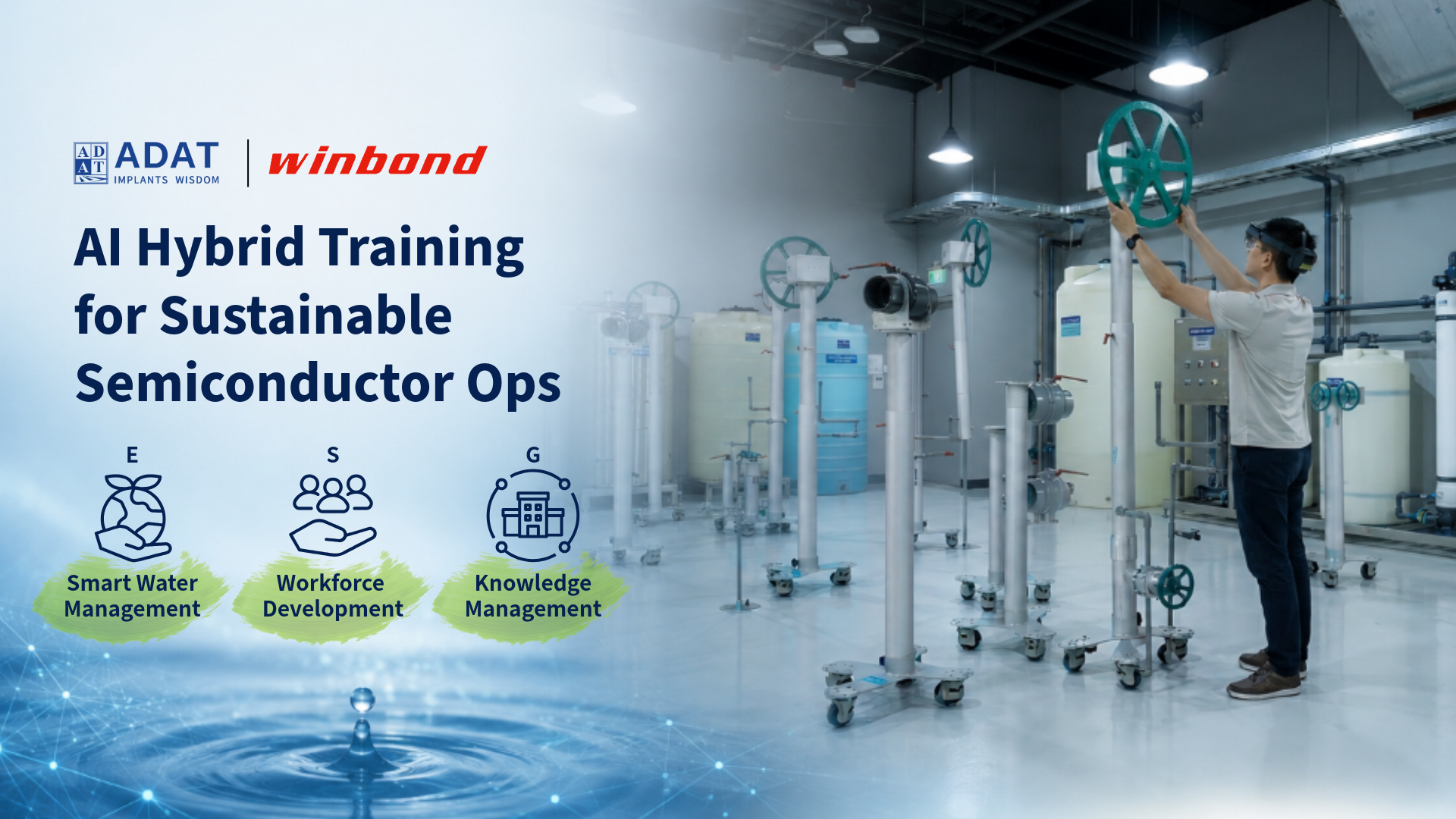
Success Story
FAQs
What industries and use cases is Hybrid Training designed for?
Hybrid Training is designed for high-precision, high-risk manufacturing environments where equipment costs are significant and operational tolerances are tight. It is equally suited for organizations expanding globally, where standardized digital training is critical to closing skill gaps and replicating expertise at scale.
Does Hybrid Training require creating new training materials?
No. Hybrid Training works with your existing SOPs while capturing the experience and decision-making of experienced operators, quickly converting them into interactive digital workflows.
Is MR hardware easy for floor workers to adopt?
Yes. Using Meta Quest 3, Hybrid Training delivers natural mixed reality overlays for hands-on training and realistic simulation environments. The interface requires no technical background, and most workers can adapt quickly with a comfortable experience and minimal motion discomfort.
Why Mixed Reality (MR) instead of Virtual Reality (VR)?
VR cannot replicate the tactile experience of operating real equipment, and
building fully immersive 3D environments requires significant upfront
investment — making it impractical for most industrial settings.
Hybrid Training takes a different approach with MR. Instead of recreating
entire environments, it only requires models of critical equipment or
components, giving workers realistic hands-on practice without the cost
overhead. Virtual overlays then simulate operational context — marking work
positions, highlighting hazard zones, and alerting workers when they enter
high-risk areas.
The result: lower training costs, improved operational accuracy, stronger
safety awareness, and a shorter path to independent operation.
How does Hybrid Training ensure consistent training standards across global sites?
Hybrid Training supports multilingual content deployment. Headquarters establishes one standard workflow, which is then localized and distributed to each facility — allowing workers to learn and practice in their native language. This reduces the need for cross-site staffing support and ensures every facility trains to the same standard.